Services
Psychological and Psychiatric Counselling
Focused psychological support for specific situations — losses, difficult periods, important decisions, managing emotions. A shorter approach than psychotherapy, for well-defined problems.
What psychological and psychiatric counselling is
Psychological and psychiatric counselling is a form of short- or medium-term psychological support, focused on specific situations and well-defined problems. It is provided by clinical psychologists or psychotherapists with training in counselling.
Unlike psychotherapy (which works on deep patterns, over time, with the goal of structural change), counselling deals with:
- concrete situations in the present
- difficult decisions of the moment
- intense emotions that need a framework for processing
- adapting to changes or losses
Counselling is, by its nature, shorter than psychotherapy — usually between a few sessions and a few months.
Not sure whether you need counselling or psychotherapy? See the difference →
Who counselling is for
Counselling is a good fit when:
You are going through a difficult period:
- the loss of someone close (bereavement counselling)
- divorce, separation, major changes in relationships
- difficult professional changes — being made redundant, a career change, feeling stuck
- a medical diagnosis that shifts your perspective
- other life events that go beyond what you can handle on your own
You are having difficulty adapting:
- adapting to a new situation (relocation, a new job, the birth of a child)
- changes in role — becoming a parent, a change in family status
- adapting to changes in important relationships
You are dealing with intense emotions:
- disproportionate anger or irritability
- persistent sadness without meeting the criteria for clinical depression
- chronic frustration
- guilt or shame that influences your decisions
You have problems with organisation and prioritising:
- time management
- work–life balance
- difficulties with organisation in the context of being overstretched
Relational problems:
- difficulties communicating in relationships
- couples problems (individual counselling, not couples therapy — for couples there is a separate service)
- family conflicts
Behaviours that are causing you problems:
- problematic substance use (counselling can be a first step; severe cases require psychiatric evaluation)
- repeated decisions you regret
- patterns of avoidance that are narrowing your life
Counselling vs. psychotherapy
The two services are often confused. Here are the essential differences:
| Counselling | Psychotherapy | |
|---|---|---|
| Focus | Concrete, present situations | Deep, structural patterns |
| Duration | Several sessions – several months | Several months – several years |
| Typical frequency | Every 1–2 weeks, as needed | Weekly, usually |
| Goals | Adapting, managing a situation | Lasting change in personality or patterns |
| Indications | Life crises, difficult periods, decisions | Mental disorders, persistent patterns, chronic suffering |
| Engagement with the past | Limited to what is relevant for the present | Often extensive |
In practice: if you are facing a concrete, recent, definable problem — counselling. If you recognise a pattern that has been repeating itself for years and that you want to understand and change — psychotherapy.
The line between the two is not rigid, however. Sometimes counselling identifies deeper patterns and recommends moving on to psychotherapy. Sometimes therapy started with a specific goal turns into structural work.
What a counselling session is like
The first counselling session lasts 45–60 minutes and is a conversation in which we understand together what brings you in, clarify the goal of working together and agree a work plan — how many sessions seem necessary and what we will address.
Subsequent sessions are focused on the agreed goal. The work is usually oriented towards the present — on what is happening now, the decisions you have to make, how you are managing the situation. The past is addressed only insofar as it is relevant to the present.
The total number of sessions is adjusted depending on how things progress — sometimes 4–6 sessions are enough, sometimes the process calls for several months.
Cost and CNAS
CNAS coverage — certain psychological and psychiatric counselling services can be covered by Acord Med’s contract with the National Health Insurance Fund, on the basis of a referral. We can advise at the time of booking on the available options.
Paid — current rates are on the Pricing page.
Specialists who provide counselling

Dr. Daniela Cojocaru
Senior Consultant Psychiatrist · Founder of Acord Med

Dr. Mihaela Ciomârtan
Senior Consultant Psychiatrist

Dr. Sorin Pletea
Senior Consultant Psychiatrist

Psih. Magdalena Ioan
Senior Clinical Psychologist

Dr. Ioana Tănase
Senior Consultant Psychiatrist

Psih. Oana-Marina Ciocan
Senior Clinical Psychologist

Dr. Dan Cojocaru
Senior Consultant Psychiatrist

Dr. Maria-Ruxandra Pătrașcu
Specialist Psychiatrist
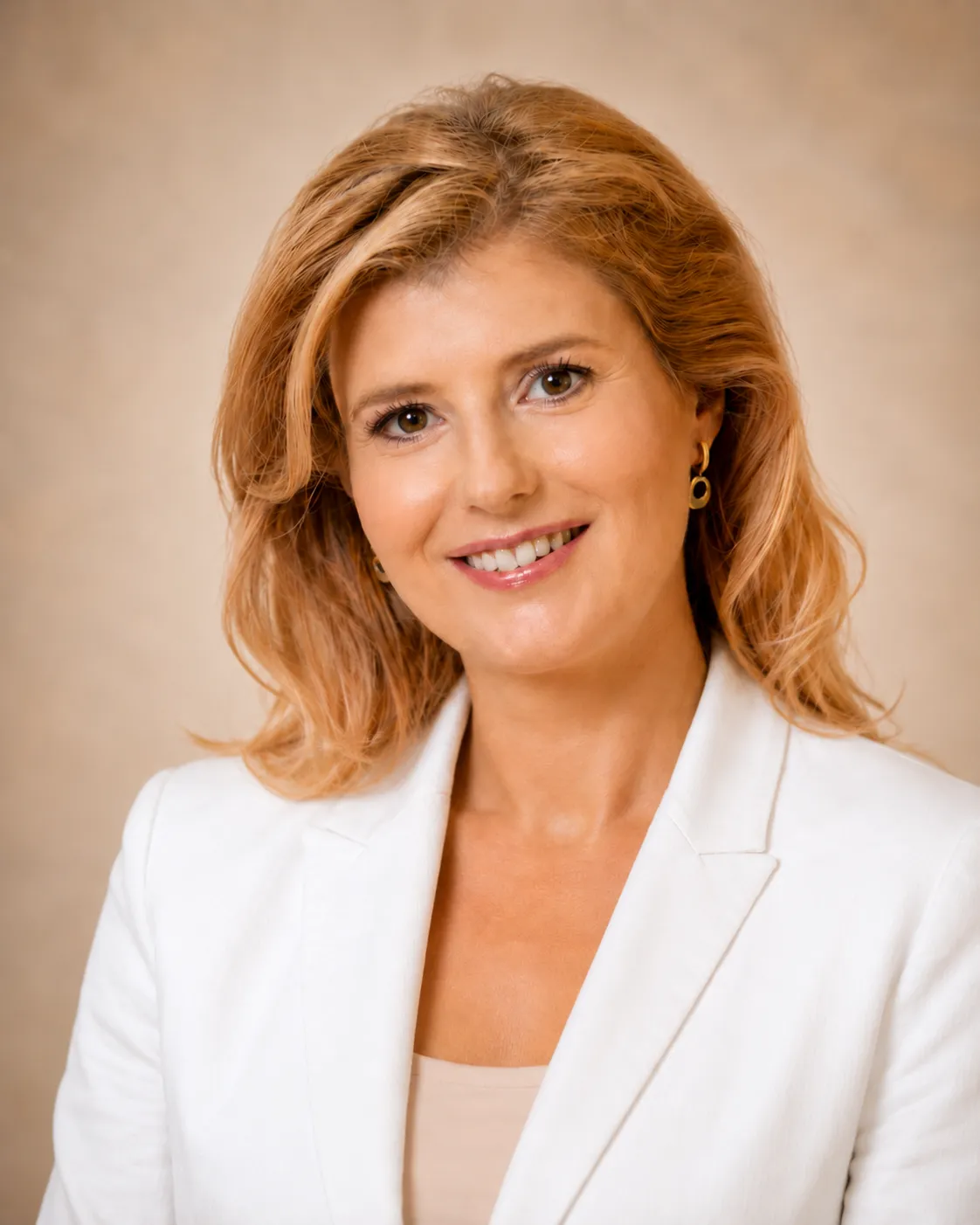
Psih. Ioana Daniela Neacșu
Senior Clinical Psychologist

Psih. Alexandra Gujan
Senior Clinical Psychologist
To see the full team, visit the Team page.
Frequently asked